
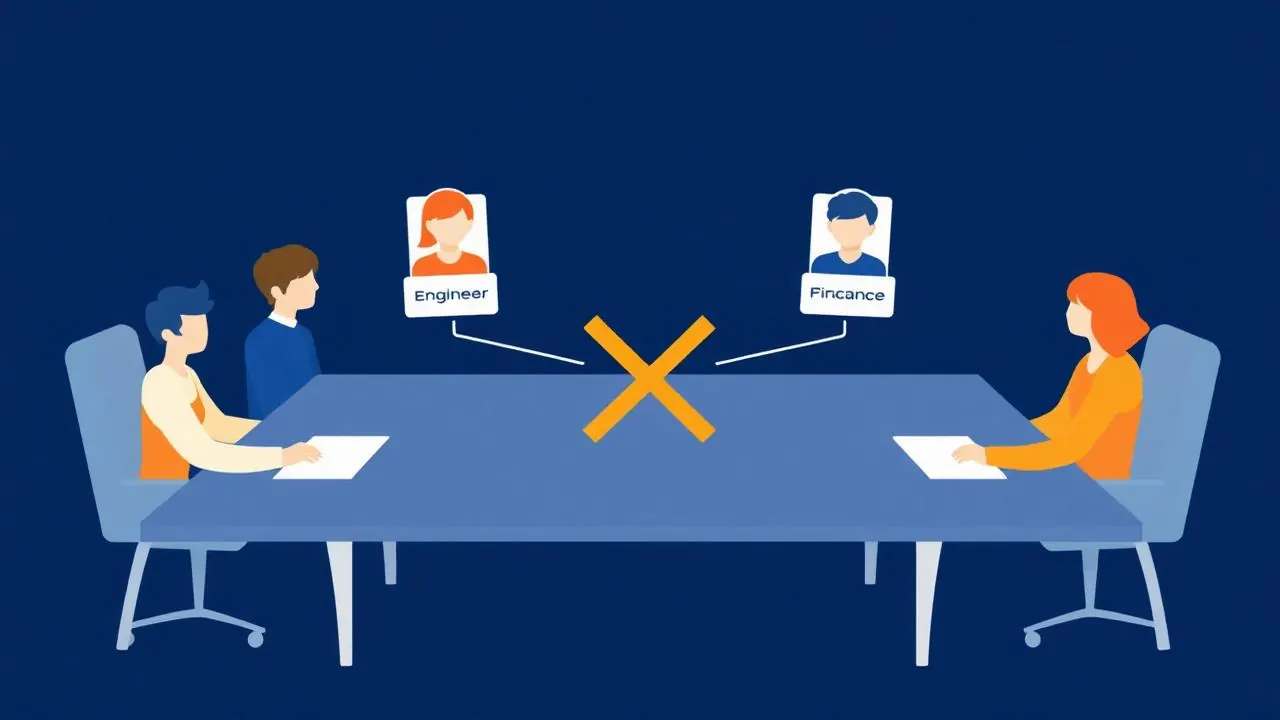
ลองถามเอเจนซีรับทำ Lead Generation ดูว่าพวกเขาส่งมอบอะไรให้คุณ แล้วคุณจะได้คำตอบว่า: „เราส่งมอบรายชื่อผู้ติดต่อที่แสดงความสนใจครับ“ แต่พอถามต่อว่า แล้วทำไมรายชื่อเหล่านั้นถึงเปลี่ยนเป็นลูกค้าจริงได้น้อยมาก... ห้องทั้งห้องก็จะเงียบกริบ สำหรับการขาย B2B ที่มีความซับซ้อน ปัญหาไม่ได้อยู่ที่ลีด — แถ่อู่ยี่การที่ลีดเพียงคนเดียว ไม่ใช่ผู้ซื้อตัวจริง และนี่คือช่องว่างที่ DMU-framing ถูกสร้างขึ้นมาเพื่อปิดจุดอ่อนนี้
การทำ B2B Lead Generation แบบมาตรฐานทำงานอย่างไร
การสร้างลีด B2B แบบดั้งเดิมถูกสร้างขึ้นโดยยึดตัวบุคคลเป็นหลัก: คนๆ หนึ่งดาวน์โหลดเอกสาร (Whitepaper) กรอกแบบฟอร์ม หรือตอบกลับอีเมล จากนั้นฝ่ายขายก็จะพยายามเปลี่ยนผู้ติดต่อรายนั้นให้เป็นยอดขาย สำหรับการซื้อขายที่ไม่ซับซ้อนหรือมูลค่าไม่สูง วิธีนี้ทำงานได้ดี แต่ในธุรกิจ B2B ระดับจริงจัง — เครื่องจักร อุปกรณ์ชิ้นส่วน สัญญาการจัดส่งระยะยาว — ผู้ติดต่อรายนั้นจะต้องไปโน้มน้าวใจเพื่อนร่วมงานในบริษัทที่คุณไม่เคยมีโอกาสได้พูดคุยด้วยเลย
ความเป็นจริง: การตัดสินใจทำโดยคณะกรรมการ (Unit)
ผลการวิจัยยืนยันตรงกันว่า การซื้อขายในธุรกิจ B2B ต้องผ่านคณะกรรมการตัดสินใจ (Decision-Making Unit / DMU) จำนวน 4 ถึง 7 คนเสมอ: ผู้เริ่มต้นความต้องการ, วิศวกรผู้ประเมินสเปกทางเทคนิค, ฝ่ายจัดซื้อผู้ต่อรองราคา, ฝ่ายการเงินผู้อนุมัติงบประมาณ และผู้อำนวยการผู้ลงนามสัญญา แต่ละคนมีความกังวลต่างกัน และมักมีซัพพลายเออร์รายโปรดที่ไม่เหมือนกัน หากการตลาดของคุณสื่อสารกับคนเพียงคนเดียว คนอื่นๆ จะรู้จักคุณผ่านการบอกเล่าต่อ — ซึ่งถูกกรอง เจือจาง และมักเกิดขึ้นในช่วงเวลาที่แย่ที่สุด
สิ่งที่ DMU-framing ทำแตกต่างออกไป
DMU-framing จะวางแผนผังคณะกรรมการจัดซื้อทั้งหมดก่อนที่แคมเปญจะเริ่มต้น จากนั้นจึงปรับแต่งข้อเสนอของคุณให้เข้ากับบทบาทของแต่ละคน:
วิศวกร จะได้รับข้อมูลสเปก ค่าความคลาดเคลื่อนที่ยอมรับได้ (Tolerances) และใบรับรองมาตรฐาน
ฝ่ายจัดซื้อ จะได้รับข้อมูลความน่าเชื่อถือ ประสิทธิภาพการจัดส่ง และต้นทุนรวม (Total Cost)
ฝ่ายการเงิน จะได้รับข้อเสนอเรื่องการลดความเสี่ยงและความปลอดภัยในการชำระเงิน
ผู้อำนวยการ จะได้รับเรื่องราวเชิงกลยุทธ์: การเติบโต ความต่อเนื่อง และความได้เปรียบทางการแข่งขัน
แทนที่จะปล่อยให้ผู้ติดต่อคนเดียวแบกข้อเสนอของคุณไปผลักดันภายในองค์กรอย่างยากลำบาก ผู้มีส่วนเกี่ยวข้องทุกคนจะได้รับอาร์กิวเมนต์ที่สำคัญสำหรับพวกเขาโดยเฉพาะ — ผ่านคอนเทนต์ที่ตรงจุด การทำ Micro-targeting และการติดตามงานอย่างเป็นระบบ
สรุปแล้ว มันดีกว่าจริงไหม?
สำหรับสินค้าที่ไม่ซับซ้อนและมีผู้ตัดสินใจเพียงคนเดียว: Lead Generation แบบมาตรฐานจะรวดเร็ว ชัดเจน ถูกกว่า และเพียงพอแล้ว แต่สำหรับดีล B2B ที่ซับซ้อนและมีมูลค่าสูง — ซึ่งเป็นดีลที่ผู้ผลิตในเอเชียต้องการทำกับผู้นำเข้าในยุโรป — DMU-framing ให้ผลลัพธ์ที่ดีกว่าอย่างเห็นได้ชัด เพราะมันช่วยกำจัดตัวฆ่าดีลที่ใหญ่ที่สุด นั่นคือ ผู้มีส่วนเกี่ยวข้องภายในองค์กรที่ไม่เคยได้รับการโน้มน้าวใจ
สรุปอย่างตรงไปตรงมา: Lead Generation แบบมาตรฐานช่วยเติมเต็ม Pipeline ของคุณ แต่ DMU-framing ช่วยพา Pipeline นั้นผ่านโต๊ะประชุมไปจนจบดีลได้ กลยุทธ์ที่แข็งแกร่งที่สุดคือการใช้ Lead Generation เพื่อเปิดประตู และใช้ DMU-framing เพื่อปิดการขาย
อยากรู้ไหมว่าใครนั่งอยู่ใน DMU สำหรับสินค้าของคุณในยุโรป? นัดหมายพูดคุยกลยุทธ์ตลาดยุโรปฟรีวันนี้ แล้วเราจะวางแผนผังผู้มีอำนาจตัดสินใจในอุตสาหกรรมของคุณไปด้วยกัน
ต้องการลูกค้ายุโรป ไม่ใช่แค่ทราฟฟิกใช่ไหม?
จองคุยฟรี แล้วเราจะวางแผนสินค้าของคุณ ผู้ซื้อยุโรปที่ใช่ และเส้นทางที่เร็วที่สุดสู่ออร์เดอร์แรก
จองการพูดคุย